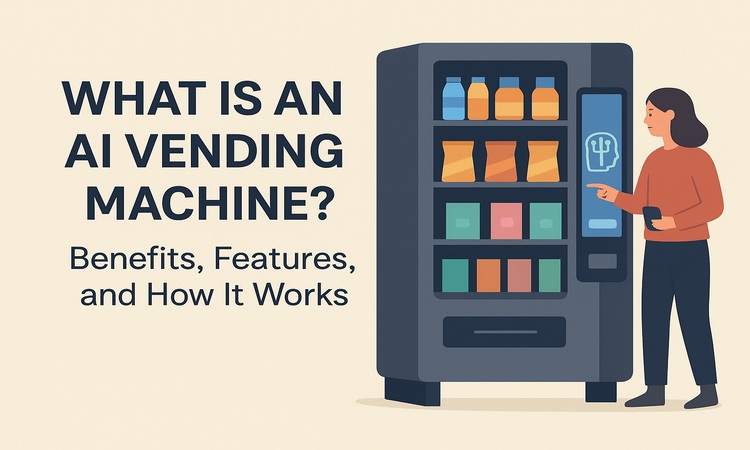
What Is an AI Vending Machine? Benefits, Features, and How It Works
Introduction
Vending machines have come a long way from the old snack-and-soda boxes we grew up with. Today, they’re smarter, faster, and designed to make shopping as effortless as possible. One of the biggest innovations in this space is the rise of AI-powered vending machines — modern retail machines that can recognize products, track stock, and serve customers without the usual limitations of traditional vending.
If you’ve ever wondered how these new machines work or why so many businesses are adopting them, this guide breaks it all down in simple, human-friendly language.
What Is an AI Vending Machine?
An AI vending machine is essentially a much smarter version of a traditional vending machine. Instead of relying on buttons, barcodes, or mechanical spirals, it uses advanced technology to identify products, manage inventory automatically, and provide a smoother buying experience.
Think of it as a mini self-running retail store that operates 24/7.
Some versions let customers grab an item from a shelf and just walk away while the system automatically charges them. Others provide recommendations, accept fully cashless payments, and monitor stock in real time.
How It Works
Even though it looks simple from the outside, there’s a lot happening behind the scenes. Here’s how an AI vending machine typically works:
1. Sensors and Cameras Do the Observing
Built-in sensors and cameras detect when a customer approaches, what items they interact with, and what they take.
2. Smart Software Handles the Choices
Instead of barcodes, the machine uses AI-based image recognition to instantly identify products — even items that look similar or come in different shapes and sizes.
3. Payment Happens Automatically
Customers can pay using credit cards, digital wallets, QR codes, and other cashless options. Some advanced models even support facial recognition or fingerprint payments for ultra-fast checkout.
4. Inventory Updates in Real Time
As soon as a product is removed, the system updates the stock count and can alert the operator if items are running low.
Key Features of AI Vending Machines
- Touch-free, contactless shopping
- Personalized product suggestions
- Remote monitoring for stock, sales, and maintenance
- Real-time analytics and reporting
- Dynamic pricing during busy or slow hours
- Stronger security and anti-theft technology
- Voice or gesture-based controls in high-end models
These features improve convenience for customers and boost efficiency for business owners.
Why Businesses Are Switching to Smart Vending Machines
Benefits for Business Owners
- Increased revenue thanks to better product placement and data-driven restocking
- Less manual labor — operators always know what needs refilling
- Machines run 24/7 without staff
- Everything can be monitored from a computer or smartphone
- Reduced theft due to built-in cameras and tracking algorithms
Benefits for Customers
- Faster checkout
- No need for cash or change
- Personalized recommendations
- Cleaner, more hygienic shopping experience
Benefits for Public Spaces & Organizations
- Ideal for offices, airports, gyms, hospitals, schools, and apartments
- Helps reduce lines and crowding
- Adds convenience where traditional stores aren’t practical
Where AI Vending Machines Are Being Used Most
AI-powered vending machines are showing up in:
- Airports and train stations
- Corporate offices
- Gyms and fitness centers
- Hotels and resorts
- Universities and college campuses
- Hospitals and clinics
- Apartment buildings
- Shopping malls and entertainment centers
They shine in places where people want quick, reliable service around the clock.
Future Trends in AI Vending
As technology improves, smart vending is evolving quickly. Expect to see:
- More fresh and healthy food vending options
- Beauty, skincare, and convenience product vending
- Machines that prepare meals or drinks instantly
- Deeper mobile app integration and loyalty rewards
- More advanced contactless and grab-and-go systems
- Improved AI for product prediction and stocking
The future of vending looks a lot like autonomous mini-stores.
Challenges to Consider
Despite the benefits, AI vending machines also come with some challenges:
- Higher upfront investment
- Dependence on stable internet connectivity
- More advanced technical maintenance
- Privacy considerations due to sensors and cameras
- Need for ongoing software updates and support
These challenges are becoming easier to manage as the technology matures and becomes more mainstream.
Conclusion
AI vending machines are transforming how we think about convenience retail. They offer speed, accuracy, and nonstop service, making life easier for customers and more efficient for business owners. Whether placed in offices, airports, gyms, or apartments, they deliver a level of convenience traditional vending machines can’t match.
As the technology continues to evolve, expect to see even smarter, more interactive, and more personalized vending experiences — bringing the future of retail even closer.